Update (September 2026): A vendor is secured and the first batch is en route. Read the latest Pulse update →
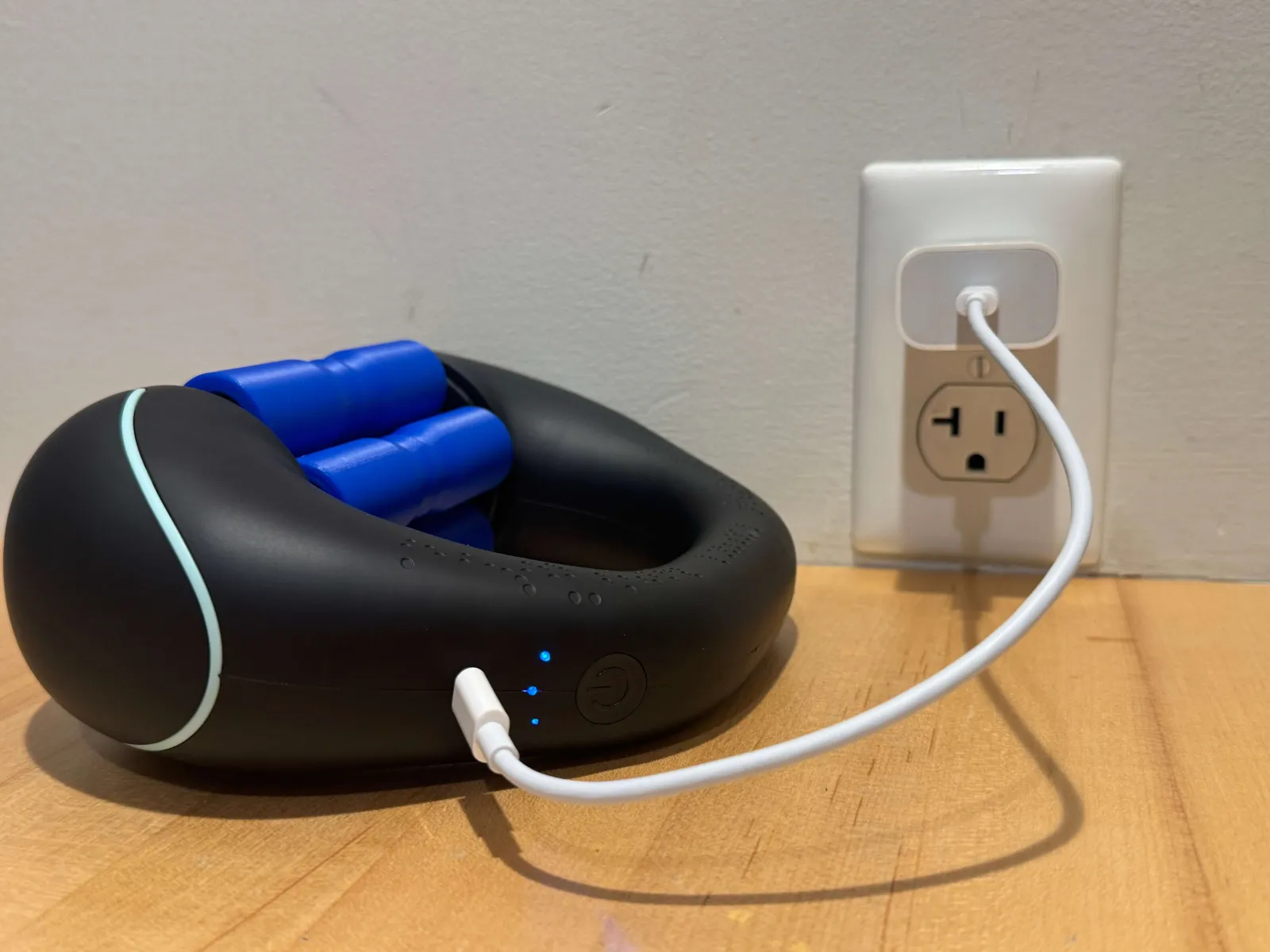
I’ve been hinting at this for a while, and today I get to show it to you. Meet the VascuVive Pulse — a self-contained, USB-C rechargeable vascular training device that eliminates the need for a drill entirely.
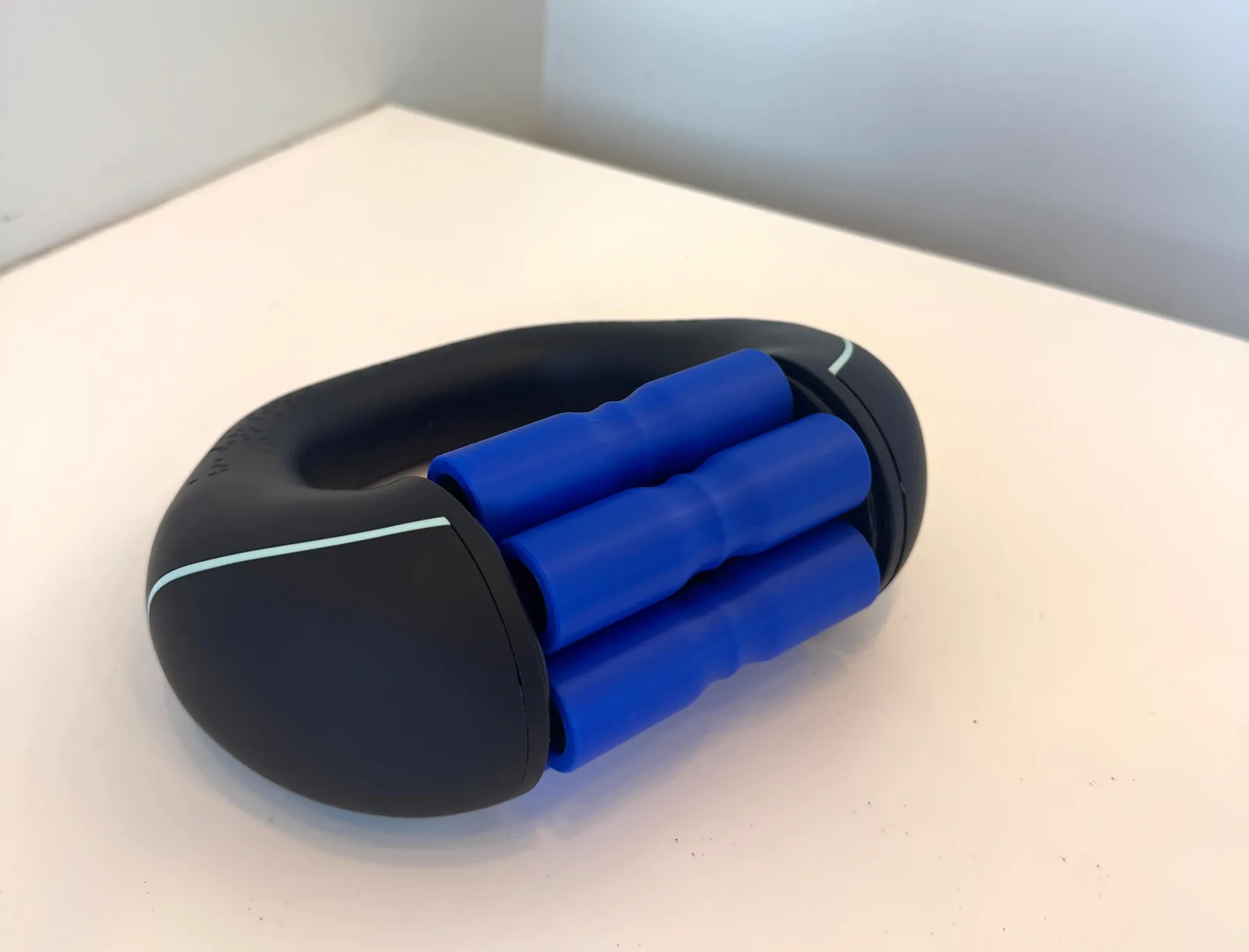
Coming soon.
Why I Built It
The AngioWheel works. The testimonials on this site speak for themselves. But however you powered it, there was friction I couldn’t fully design my way around.
Hand-spinning has its costs. Even with no drill in the picture, the wheel’s bearings and moving pieces make some noise. And keeping the wheel spinning by hand through a full session creates real arm fatigue — and tired arms mean shorter sessions and sloppier technique.
The drill solved speed but brought its own baggage. To get consistent, hands-free speed, you needed a separate drill purchase. And that opened a whole can of worms:
- Noise. Even a good drill hums, and a bad one roars — which makes it harder to relax and train.
- Weight. A drill is a heavy tool, and holding one up at an angle for a whole session is awkward and fatiguing in its own right.
- The wrong drill hurts your training. Maybe yours was too loud. Maybe it was too fast to control comfortably. Maybe it had an electric brake, which is genuinely bad for the wheel.
- Price and availability. Good drill options kept getting scarcer and more expensive, and if you settled for a subpar drill, your training suffered with it.
I’ve spent a lot of posts helping people pick the right drill. The better answer was to make the drill unnecessary — and to shed the wheel’s own noise and fatigue while I was at it.
The Design
I set out to make something self-contained and rechargeable, and I landed on this: a D-shaped, purpose-driven massager with customized rollers.
Longer rollers, way more surface area. The rollers are 92mm (3.6”) long — much more working surface than a wheel’s edge. And because the rollers are long, you can position for notched training (to really press on the corpus spongiosum) or flat roller training, whichever your routine calls for.
One piece, no accessories. It’s a single unit. No drill, no adapter, no chuck. Easy to take on the go or stash away when you’re not using it. When the battery runs low, simply plug in to charge over USB-C.
Lightweight, and built for this. This is a purpose-built massager, not a power tool pressed into service. It’s light enough that your arms won’t give out before your session does — no spinning a wheel by hand, no holding a drill at an awkward angle.
Quieter by design. Plastic bearings and fewer moving parts mean less noise — no heavy machinery whirring next to something sensitive.
Three speeds. Variable speed settings 1, 2, and 3 let you pick the intensity your training calls for, and hold it there — the same consistent speed, every session.
Real leverage. You hold the Pulse by the handle on top and press down. The D-shape puts your grip directly above the rollers, so applying plenty of controlled force is natural and comfortable.
Everything the Original Should Have Been
I love the AngioWheel. But the Pulse is everything people hoped the original would be:
- Consistent speed every session — no trigger to feather, no drill to steady
- No awkwardness — no power tool involved in your training
- Purpose-driven design — built for this, not adapted to it
When Can You Get One?
Soon. The Pulse is in active development — what you see above is a working prototype. If you want to be first to know when it launches, sign up for the email list below. That’s where the announcement will land first.
Until then, the Manny and Mega aren’t going anywhere — and if you’re using a drill, the Makita 6413 remains our recommendation.